Home  Map  Portal   Encyclopedia  Forum About  Terms  Partnership  Contact   Smart Search: Use the map bellow for selecting search words.
Knowledge 2007: Map of Human Knowledge
Body & Mind
Chaim Zins
 
Map:  Basic  Advanced 
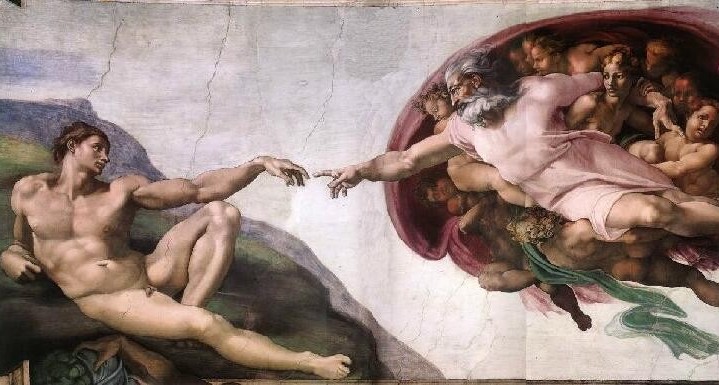
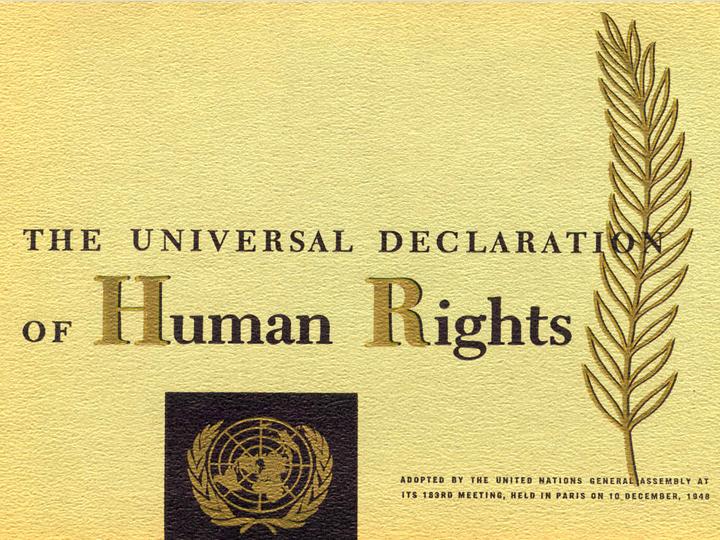
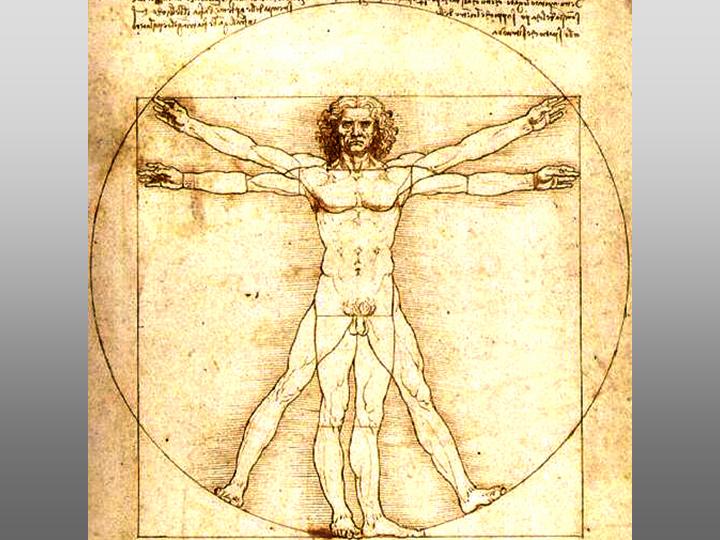
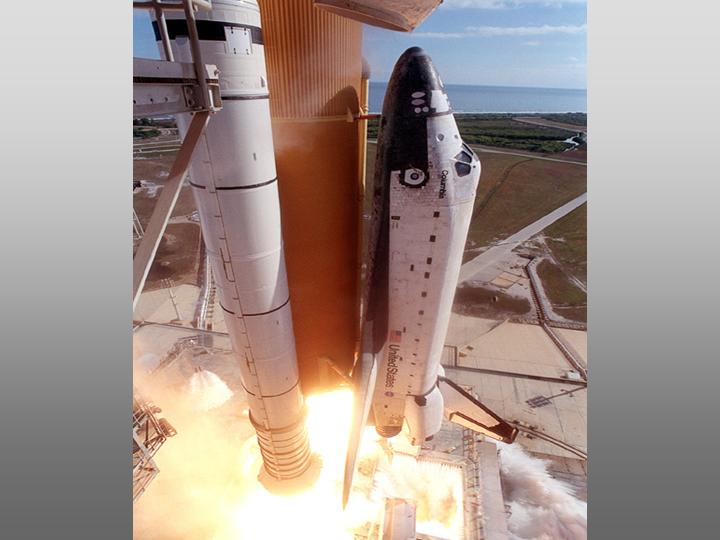
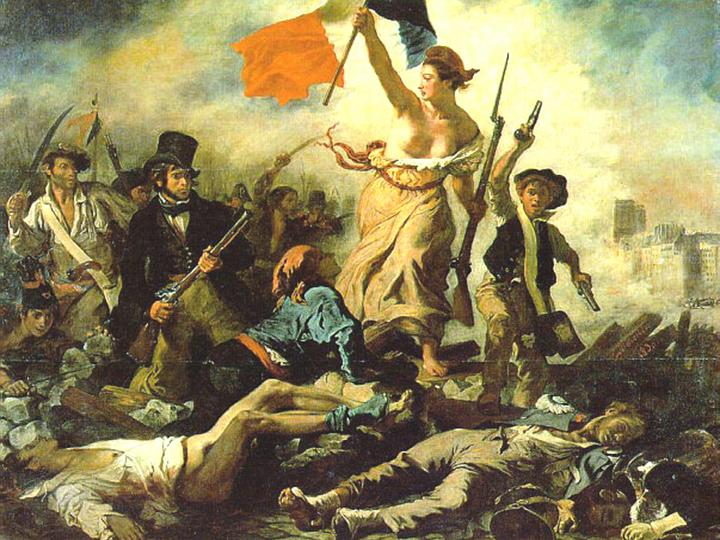
foundations of Knowledge - Galileo Galilei facing the Roman Inquisition (Cristiano Banti, 1857). Supernatural - God creates man (Michelangelo, Ceiling of Sistine Chapel) Matter and Energy - Sun (NASA). Space and Earth - Solar System Montage (NASA, 2000). Non-Human Organisms - Gorilla (Gerald and Buff Corsi © 2001 California Academy of Sciences). Human Body and Mind – Charles Robert Darwin, 1809 – 1882. Human Society - The Universal Declaration of Human Rights, December 10, 1948 (United Nations, 1949). Human Thought and Art – The Vitruvian Man (Leonardo da Vinci, 1492). Technology - Space Shuttle Columbia as it lifts off from Launch Pad 39A on mission STS-107 (NASA, 2003). Human History - The French Revolution, "Liberty Leading the People", (Eugene Delacroix, 1830).
1
Foundations
2
Supernatural
3
Matter&Energy
4
Space
&Earth
5
N/HOrganisms
6
Body&Mind
7
Society
8
Thought&
Art
9
Technology
10
History
Metaknowledge Religion&Mysticism Material Universe Living World Civilization (Culture)
Knowledge Supernatural Universe   Humans
Human knowledge is composed of 10 pillars. Pillar 5, Non-Human Organisms and pillar 6, Body and Mind, explore the living world. Note that from a scientific perspective they explore the Living World, while from a cultural perspective they belong to different categories. Non-Human Organisms is part of the Universe (or nature), while Body & Mind is part of the humans
Human Body and Mind – Charles Robert Darwin, 1809 – 1882.
Body & Mind

1. Theory
    Philosophy of Human Biology – Fetal face in color Doppler. (temporary image). Philosophy of Life
    
Philosophy of Mind - Brain scan (Temporary image, PBS). Philosophy of Mind
    
Philosophy of Mind - Brain scan (Temporary image, PBS). Bioethics (see Pillar 5, Non-Human Organism, and Medical Ethics)  
2. Basic Studies
    
Anatomy – The Anatomy Lecture of Dr. Nicolaes Tulp, (Rembrandt, Harmenszoon van Rijn, 1632; Mauritshuis, The Hague). Human Biology
    
Psychology - A solid tone rendering of the first of ten cards in the Rorschach inkblot test. Psychology 
    Neuroscience – The Brain. The lobes of the cerebral cortex include the frontal (red), temporal (green), occipital (yellow), and parietal lobes (orange). The cerebellum (blue) is not part of the telencephalon. (Source: Wikipedia, based on an NIH image of the human brain). Neuroscience  
    
Cognitive Science - Is this woman old...or young? (NIEHS, NIH) Cognitive Science  
3. Health and Wellbeing
     (1) Health & Medical Sciences
           
Medicine - The front of the WHO smallpox recognition card. The card, which portrays a patient with relatively mild smallpox, was widely used from 1971 to facilitate case detection in endemic countries (NLM). Medicine
               [1] Theory & Foundations (meta-knowledge)
                     
Medicine - The front of the WHO smallpox recognition card. The card, which portrays a patient with relatively mild smallpox, was widely used from 1971 to facilitate case detection in endemic countries (NLM). Philosophy of Medicine  
                     
Medicine - The front of the WHO smallpox recognition card. The card, which portrays a patient with relatively mild smallpox, was widely used from 1971 to facilitate case detection in endemic countries (NLM). Medical Ethics (see Bioethics)
                     
Medicine - The front of the WHO smallpox recognition card. The card, which portrays a patient with relatively mild smallpox, was widely used from 1971 to facilitate case detection in endemic countries (NLM). Medical Research & Evaluation (see e.g., Evidence-based medicine
                     Medicine - The front of the WHO smallpox recognition card. The card, which portrays a patient with relatively mild smallpox, was widely used from 1971 to facilitate case detection in endemic countries (NLM). History of Medicine  
                     Medicine - The front of the WHO smallpox recognition card. The card, which portrays a patient with relatively mild smallpox, was widely used from 1971 to facilitate case detection in endemic countries (NLM). Medical Education 
                     Medicine - The front of the WHO smallpox recognition card. The card, which portrays a patient with relatively mild smallpox, was widely used from 1971 to facilitate case detection in endemic countries (NLM). Medical Informatics   
                [2] Diagnostic Fields
                     
Medicine - The front of the WHO smallpox recognition card. The card, which portrays a patient with relatively mild smallpox, was widely used from 1971 to facilitate case detection in endemic countries (NLM). Nuclear Medicine  
                     Pathology - Preliminary incision, 1910. Charles Richard Box, M.D., Post-mortem Manual: A Handbook of Morbid Anatomy and Post-mortem Technique, London Pathology     
                     Medicine - The front of the WHO smallpox recognition card. The card, which portrays a patient with relatively mild smallpox, was widely used from 1971 to facilitate case detection in endemic countries (NLM). Radiology                     
                [3] Clinical Fields
                     
Medicine - The front of the WHO smallpox recognition card. The card, which portrays a patient with relatively mild smallpox, was widely used from 1971 to facilitate case detection in endemic countries (NLM). Anesthesiology 
                     
Medicine - The front of the WHO smallpox recognition card. The card, which portrays a patient with relatively mild smallpox, was widely used from 1971 to facilitate case detection in endemic countries (NLM). Dermatology 
                     Medicine - The front of the WHO smallpox recognition card. The card, which portrays a patient with relatively mild smallpox, was widely used from 1971 to facilitate case detection in endemic countries (NLM). Emergency medicine 
                     Medicine - The front of the WHO smallpox recognition card. The card, which portrays a patient with relatively mild smallpox, was widely used from 1971 to facilitate case detection in endemic countries (NLM). Family Medicine   
                     Medicine - The front of the WHO smallpox recognition card. The card, which portrays a patient with relatively mild smallpox, was widely used from 1971 to facilitate case detection in endemic countries (NLM). Geriatrics
                     
Medicine - The front of the WHO smallpox recognition card. The card, which portrays a patient with relatively mild smallpox, was widely used from 1971 to facilitate case detection in endemic countries (NLM). gynecology and Obstetrics 
                     Medicine - The front of the WHO smallpox recognition card. The card, which portrays a patient with relatively mild smallpox, was widely used from 1971 to facilitate case detection in endemic countries (NLM). Internal Medicine     
                         Medicine - The front of the WHO smallpox recognition card. The card, which portrays a patient with relatively mild smallpox, was widely used from 1971 to facilitate case detection in endemic countries (NLM). Cardiology
                         
Medicine - The front of the WHO smallpox recognition card. The card, which portrays a patient with relatively mild smallpox, was widely used from 1971 to facilitate case detection in endemic countries (NLM). Endocrinology 
                         
Medicine - The front of the WHO smallpox recognition card. The card, which portrays a patient with relatively mild smallpox, was widely used from 1971 to facilitate case detection in endemic countries (NLM). Gastroenterology     
                         Medicine - The front of the WHO smallpox recognition card. The card, which portrays a patient with relatively mild smallpox, was widely used from 1971 to facilitate case detection in endemic countries (NLM). Hematology     
                         Medicine - The front of the WHO smallpox recognition card. The card, which portrays a patient with relatively mild smallpox, was widely used from 1971 to facilitate case detection in endemic countries (NLM). Infectious disease     
                         Medicine - The front of the WHO smallpox recognition card. The card, which portrays a patient with relatively mild smallpox, was widely used from 1971 to facilitate case detection in endemic countries (NLM). Nephrology       
                         Medicine - The front of the WHO smallpox recognition card. The card, which portrays a patient with relatively mild smallpox, was widely used from 1971 to facilitate case detection in endemic countries (NLM). Oncology    
                         Medicine - The front of the WHO smallpox recognition card. The card, which portrays a patient with relatively mild smallpox, was widely used from 1971 to facilitate case detection in endemic countries (NLM). Pulmonology     
                         Medicine - The front of the WHO smallpox recognition card. The card, which portrays a patient with relatively mild smallpox, was widely used from 1971 to facilitate case detection in endemic countries (NLM). Rheumatology     
                      Medicine - The front of the WHO smallpox recognition card. The card, which portrays a patient with relatively mild smallpox, was widely used from 1971 to facilitate case detection in endemic countries (NLM). Neurology
                      
Medicine - The front of the WHO smallpox recognition card. The card, which portrays a patient with relatively mild smallpox, was widely used from 1971 to facilitate case detection in endemic countries (NLM). Ophthalmology  
                      
Medicine - The front of the WHO smallpox recognition card. The card, which portrays a patient with relatively mild smallpox, was widely used from 1971 to facilitate case detection in endemic countries (NLM). Otolaryngology
                      Medicine - The front of the WHO smallpox recognition card. The card, which portrays a patient with relatively mild smallpox, was widely used from 1971 to facilitate case detection in endemic countries (NLM). Pediatrics 
                      Medicine - The front of the WHO smallpox recognition card. The card, which portrays a patient with relatively mild smallpox, was widely used from 1971 to facilitate case detection in endemic countries (NLM). Physical medicine and rehabilitation   
                      Medicine - The front of the WHO smallpox recognition card. The card, which portrays a patient with relatively mild smallpox, was widely used from 1971 to facilitate case detection in endemic countries (NLM). Psychiatry
                      Medicine - The front of the WHO smallpox recognition card. The card, which portrays a patient with relatively mild smallpox, was widely used from 1971 to facilitate case detection in endemic countries (NLM). To be completed...
                [4] [Interdisciplinary] Fields
                      
Medicine - The front of the WHO smallpox recognition card. The card, which portrays a patient with relatively mild smallpox, was widely used from 1971 to facilitate case detection in endemic countries (NLM). To be completed ...    
           Dentistry - The Dentist (details) (Gerrit van Honthorst, 1622. Gemäldegalerie, Dresden). Dentistry  
     (2)  Paramedical Studies
            [1]  Clinical
                  Nursing - Science and Charity; a painting by Pablo Picasso, 1897 (Picasso Museum, Barcelona). Emergency Medical Service (see Paramedics
                  Nursing - Science and Charity; a painting by Pablo Picasso, 1897 (Picasso Museum, Barcelona). Midwifery
                  Nursing - Science and Charity; a painting by Pablo Picasso, 1897 (Picasso Museum, Barcelona). Nursing
                  
Nursing - Science and Charity; a painting by Pablo Picasso, 1897 (Picasso Museum, Barcelona). Occupational Therapy  
                  
Nursing - Science and Charity; a painting by Pablo Picasso, 1897 (Picasso Museum, Barcelona). Osteopathic medicine (Osteopathy)  
                  
Nursing - Science and Charity; a painting by Pablo Picasso, 1897 (Picasso Museum, Barcelona). Physical Therapy (Physiotherapy) 
                  Nursing - Science and Charity; a painting by Pablo Picasso, 1897 (Picasso Museum, Barcelona). Podiatry  
                  Nursing - Science and Charity; a painting by Pablo Picasso, 1897 (Picasso Museum, Barcelona). Respiratory Therapy 
                  Nursing - Science and Charity; a painting by Pablo Picasso, 1897 (Picasso Museum, Barcelona). Speech Therapy  
                  Nursing - Science and Charity; a painting by Pablo Picasso, 1897 (Picasso Museum, Barcelona). (Clinical) Psychology (see Psychology
            [2]  Para-clinical
                  
Health Education (source: NLM). Audiology  
                  
Health Education (source: NLM). Dietetics (see Nutrition)
                  
Health Education (source: NLM). Epidemiology (see Public Health)
                  Health Education (source: NLM). Optometry 
                  Health Education (source: NLM). Pharmacy 
                  Health Education (source: NLM). Public Health 
      (3)  Complementary Medicine
Complementary-Medicine - Chinese Medicine - Chinese medicine seems to have reached its peak during the Ming dynasty (1368-1644) when Li Shih-chen wrote his Pen ts'ao kang mu (The Great Herbal). This great pharmacopoeia, which summarizes what was known of herbal medicine up to the late 16th century, describes in detail more than 1800 plants, animal substances, minerals, and metals, along with their medicinal properties and applications. Li Shih-chen was 35 years old when he began to compile his Pen ts'ao kang mu. He took 27 years to finish it. (source: NLM; original source: Chinese Medicine  
     Complementary-Medicine - Chinese Medicine - Chinese medicine seems to have reached its peak during the Ming dynasty (1368-1644) when Li Shih-chen wrote his Pen ts'ao kang mu (The Great Herbal). This great pharmacopoeia, which summarizes what was known of herbal medicine up to the late 16th century, describes in detail more than 1800 plants, animal substances, minerals, and metals, along with their medicinal properties and applications. Li Shih-chen was 35 years old when he began to compile his Pen ts'ao kang mu. He took 27 years to finish it. (source: NLM; original source: Acupuncture 
     
Complementary-Medicine - Chinese Medicine - Chinese medicine seems to have reached its peak during the Ming dynasty (1368-1644) when Li Shih-chen wrote his Pen ts'ao kang mu (The Great Herbal). This great pharmacopoeia, which summarizes what was known of herbal medicine up to the late 16th century, describes in detail more than 1800 plants, animal substances, minerals, and metals, along with their medicinal properties and applications. Li Shih-chen was 35 years old when he began to compile his Pen ts'ao kang mu. He took 27 years to finish it. (source: NLM; original source: To be completed...
       knowledge 2007: Map of Human Knowledge       knowledge 2007: Portal to Human Knowledge       knowledge 2007: Encyclopedic Portal to Human Knowledge       knowledge 2007: Forum
Buy & Donate Shopping Mall : You buy - we donate to humanitarian organizations
February 2008
© Copyright Dr. Chaim Zins, 
Jerusalem, 2002-2008. All rights reserved.
Chaim Zins, Knowledge Mapping Research, 26 Hahaganah St. Jerusalem, 97852 Israel.  
Tel: 972-2-5816705. chaim.zins@gmail.com